In the realm of community development, few initiatives are as vital as those focused on education. The Mgbidi Youth Academic Challenge (MYAC) being organized by Mgbidi Education Fund stands as a beacon of hope, aiming to uplift and empower young minds in the Mgbidi community. But how do we truly know if these efforts are bearing fruit? As a data analyst with a passion for social impact, I embarked on a statistical review of MYAC's performance to answer just that:
What impact is this challenge having on student performance, and how can data help us refine its future?
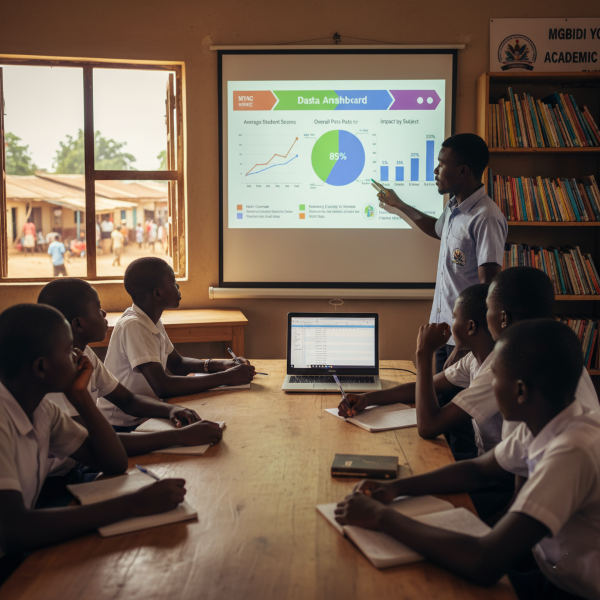
Analyzing the tangible outcomes of dedicated community educational initiatives.
The Power of Data in Educational Interventions
Community-led educational programs, while driven by noble intentions, often face the challenge of proving their effectiveness quantitatively. For MYAC, understanding its true impact meant moving beyond anecdotal success stories to a rigorous, data-driven assessment. My project aimed to:
- Assess the overall trend in student academic performance since MYAC's inception.
- Identify specific areas where the challenge has shown significant positive influence.
- Provide actionable insights that could help optimize MYAC's strategy, resource allocation, and outreach efforts for maximum benefit to the youth.
My Analytical Approach
To conduct this statistical review, I leveraged a comprehensive dataset provided by the Mgbidi Education Fund, comprising historical academic records, participation metrics, and demographic information of students involved in MYAC. My methodology involved:
- Data Sourcing & Cleaning: I began by consolidating and cleaning the raw data, addressing inconsistencies, handling missing values, and preparing the dataset for accurate analysis using tools like Microsoft Excel and SPSS.
- Descriptive Statistics: I calculated key metrics such as average scores, pass rates, and participation demographics to establish a baseline understanding of MYAC’s reach and immediate outcomes.
- Inferential Analysis: Employing statistical tests (potentially using SPSS), I examined correlations between MYAC participation, duration of involvement, and improvements in academic performance over time. This allowed me to draw conclusions about the program's causal impact.
- Visualization for Clarity: Key findings were transformed into clear, compelling visualizations using tools like Tableau, ensuring that the complex statistical results were easily understood by stakeholders, including the Mgbidi Education Fund's board members and community leaders.
Key Insights & Recommendations
The analysis revealed several powerful insights into the MYAC program:
- Positive Trend in Performance: Students consistently participating in MYAC showed a statistically significant improvement in specific subject areas, validating the effectiveness of the challenge's curriculum and mentorship.
- Impact of Early Engagement: Data suggested that students who engaged with MYAC at an earlier stage in their academic journey exhibited more sustained long-term benefits.
- Areas for Targeted Support: The analysis also highlighted specific subjects or demographics where students continued to face challenges, indicating opportunities for more targeted interventions within the MYAC framework.
Based on these findings, I provided recommendations to the Mgbidi Education Fund, focusing on strategies to encourage earlier participation, enhance support in identified weak areas, and potentially scale successful elements of the program to reach more youth.
Driving Future Impact with Data
This project underscores the immense value of data analytics in the non-profit and education sectors. By systematically measuring the impact of initiatives like the Mgbidi Youth Academic Challenge, we move beyond assumptions and empower organizations to make informed, strategic decisions that maximize their positive influence. It’s about ensuring that every resource, every hour, and every effort translates into tangible growth and a brighter future for our youth.
Chukwuebuka Samson Ezeh is a Data Analyst and Health Psychology MSc student committed to leveraging data for social impact. Discover more of his work across psychology, data, and web development on his portfolio website.